Discover student orientation insights, tips, and strategies from experts
Guide to effective student orientations
Download the eBook
-cropped.svg)


.svg)
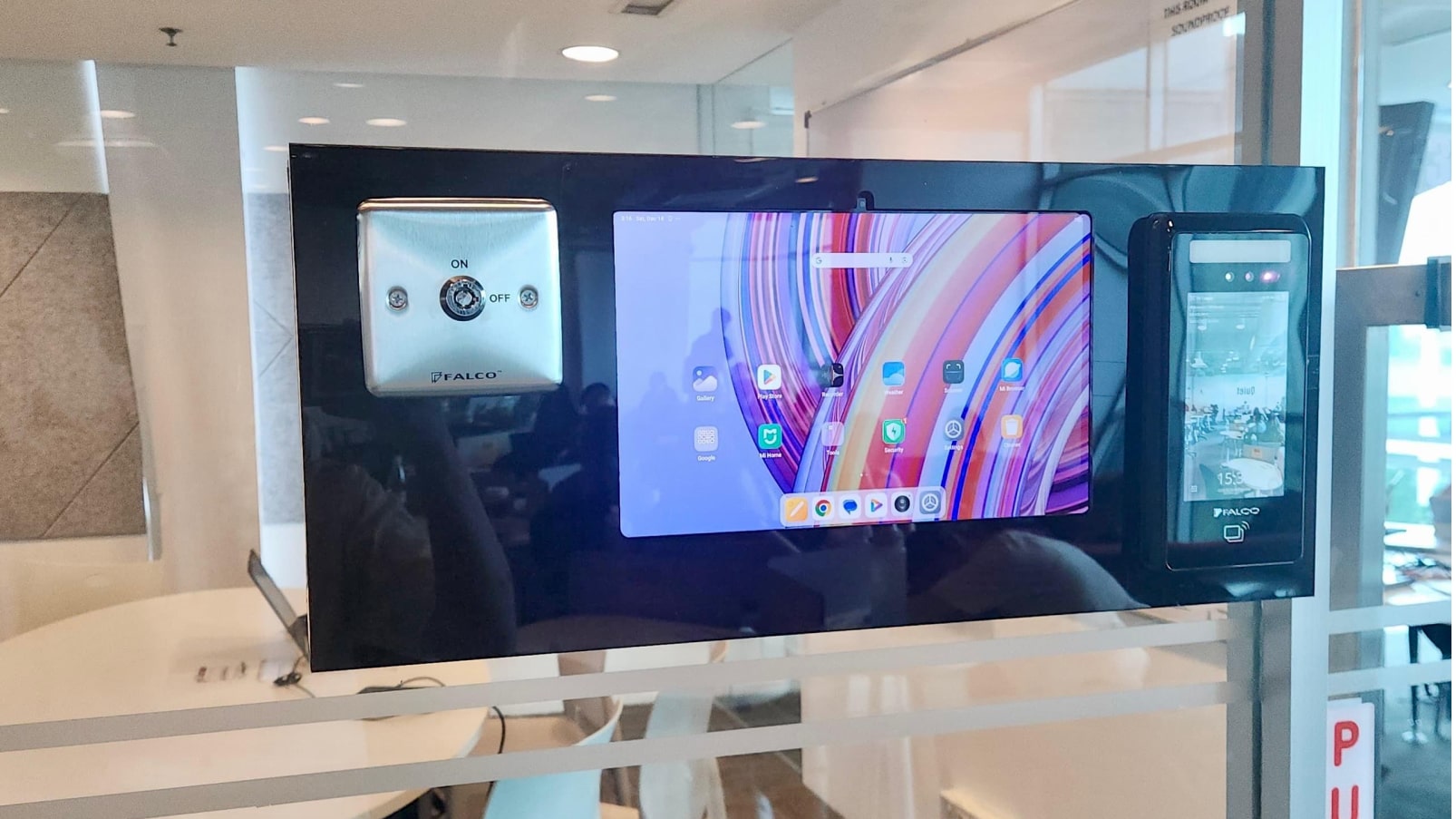
Every facial recognition or contactless biometric proposal that lands on a CFO's desk gets asked the same question first: what does this actually cost, and what does it replace? Safety and security investments are rarely optional in today's education environment, but school boards and procurement officers still have a fiduciary duty to compare options on total cost of ownership, not sticker price alone.
This article is the sixth in our Facial Recognition System pillar, under the Cost, ROI & Procurement cluster, and it's written specifically for CFOs, school boards, and procurement officers who need a defensible, numbers-first case for or against contactless biometrics — not a vendor pitch.
The most common budgeting mistake is comparing a facial recognition system's cost against a baseline of zero. In reality, nearly every K-12 district and higher ed campus already spends money on some combination of:
Contactless biometrics should be evaluated against what it replaces or reduces, not treated as a pure addition to the budget. A fair ROI model nets the new cost against these existing line items.
For budgeting purposes, contactless biometric deployments break into four cost categories:
A useful budgeting rule of thumb: software and integration labor, not the cameras themselves, tend to be the larger and more variable cost driver — which is why RFPs that focus only on per-camera hardware pricing frequently underestimate true project cost.
| Cost Factor | Card/Badge-Based Access | Contactless Biometric |
|---|---|---|
| Initial hardware per door | Lower | Moderate to higher |
| Ongoing consumables (card replacement, printing) | Recurring, often underestimated | Minimal to none |
| Lost/stolen credential risk | Requires reissue, admin time | Not applicable |
| Staffing for manual attendance/check-in | Ongoing labor cost | Reduced via automation |
| Tailgating/credential sharing risk | Present | Substantially reduced |
| Software licensing | Often bundled with panel hardware | Typically separate annual fee |
| Integration complexity | Lower (mature protocols) | Moderate (API/VMS dependent) |
The pattern that shows up consistently in district budgeting exercises: card systems appear cheaper upfront but carry higher recurring costs — card stock, printers, reissuance labor, and the administrative overhead of lost-credential incidents. Contactless biometric systems shift spend from recurring consumables toward software licensing and initial integration, which is often easier to forecast and budget multi-year.
For school boards and procurement officers building a business case, the return on a contactless biometric investment tends to concentrate in a few measurable areas:
Automated attendance sync to the SIS at monitored entrances can reduce homeroom or front-office attendance-taking time. Multiplied across a district with dozens of schools, even a few minutes saved per classroom per day compounds into meaningful annual labor savings.
Districts using card-based systems typically budget for ongoing card replacement, printer maintenance, and administrative time processing lost-badge reports. Contactless biometrics eliminate this recurring cost category almost entirely.
When facial recognition metadata is integrated into the video management system, security staff and administrators spend materially less time manually reviewing footage after an incident—a labor cost that's real but often absent from initial ROI models.
Some districts and higher ed institutions have reported favorable conversations with insurers around campus safety technology investments. However, this varies significantly by carrier and region and should be confirmed directly rather than assumed as a guaranteed line-item saving.
Card systems are vulnerable to tailgating and credential sharing in ways that contactless biometric identification is not, reducing the frequency of access-related incidents that require administrative follow-up.
K-12 districts typically deploy at a smaller number of high-traffic entry points per building, with the primary ROI driver being attendance automation and visitor/watchlist screening. Procurement is often grant-funded (state safety grants, ESSER-successor funding, or bond measures), which affects timeline and vendor selection more than pure cost comparison.
Higher education institutions generally deploy across a much larger number of doors — residence halls, labs, libraries, administrative buildings — with ROI concentrated more heavily in reduced card issuance costs (a significant expense at institutions reissuing thousands of student ID cards annually) and after-hours facility access management. The per-door cost math matters more at scale, making integration efficiency and licensing model (per-door vs. per-enrolled-user) a bigger factor in total cost.
Before finalizing budget projections, procurement officers should get vendors to answer:
The strongest ROI case for a school board or procurement officer isn't "this makes us safer" in the abstract — it's a side-by-side total cost of ownership model that nets contactless biometrics against the real, recurring costs of the credential and staffing systems already in place. When that comparison is done honestly, the upfront cost premium of contactless biometrics is frequently offset within a multi-year window by reduced card administration, labor savings on attendance and investigation, and lower incident-related overhead — making it a defensible line item rather than a discretionary security expense.
I'm a highly skilled project manager with extensive experience in the education technology industry. With a background in computer science and a passion for improving educational outcomes, I have dedicated my career to developing innovative software solutions that make learning more engaging, accessible, and effective.



-min%2520(1).png)