Discover student orientation insights, tips, and strategies from experts
Guide to effective student orientations
Download the eBook
-cropped.svg)


.svg)
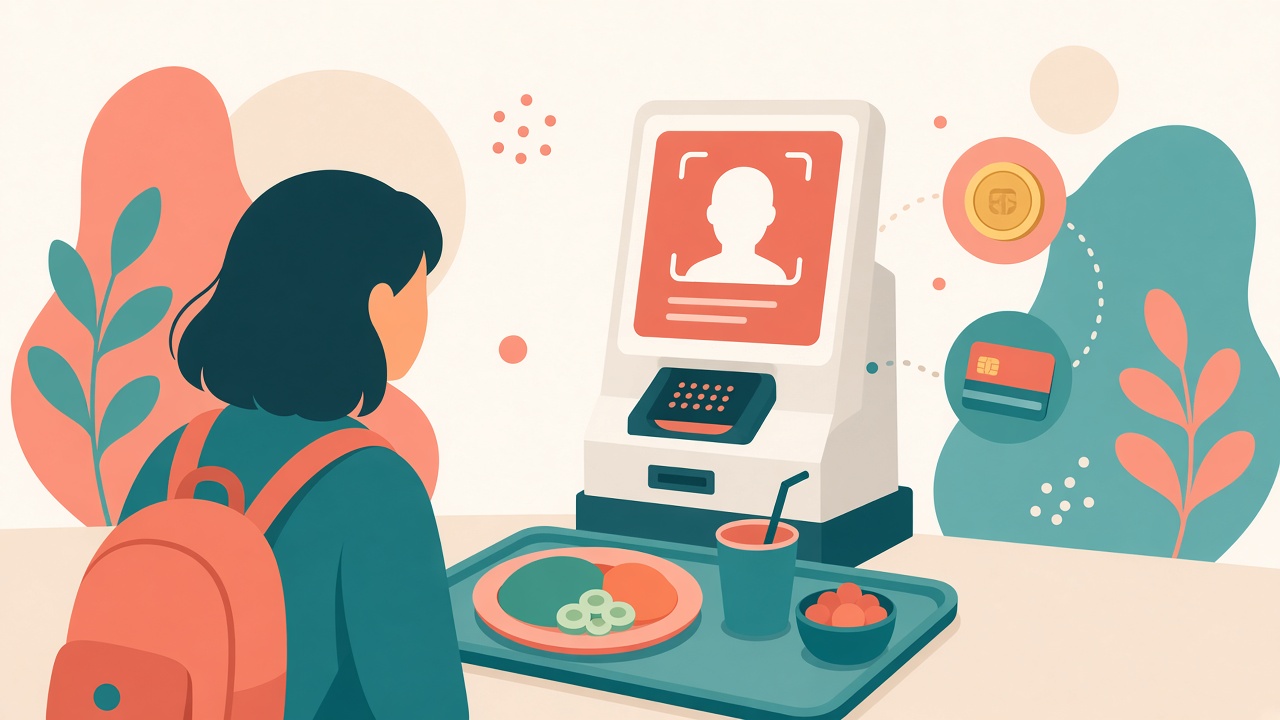
Cafeteria lines move slowly when every student must find a card or type a code. Cards get lost. PINs get shared. Cashiers handle the same fixes every lunch period.
Facial recognition can link an enrolled student to a meal account with a short face check at the till or kiosk. Payment comes from the account on file. Hands stay free. Lines keep moving.
This guide is for campus services and finance teams exploring contactless meal payments.
Schools already spend money on POS systems and meal plans. The weak spot is often identity at the counter, not the menu board.
Parents can still fund accounts the same way they do today. The change is how the student proves who they are at purchase time.
Fewer card searches means more students served in the same window.
A face is harder to lend than a card. That reduces "borrowed lunch money" problems.
Charges tie to a verified person. Refunds and dispute checks get easier.
You still may keep cards as backup. You print fewer emergency replacements when most students stop needing the card every day.
For cost context across contactless tools, see ROI of Contactless Biometrics: Cost Comparison for K-12 and Higher Ed.
Say what image or template you store. Say who can see it. Say when you delete it. Keep meal data separate from grades.
Offer a card or cashier override for students who opt out or whose match fails that day. Lunch access should not depend on a perfect camera angle.
Identity checks should still respect dietary flags already in your meal system. Face pay is an unlock key, not a new nutrition database.
Prove speed and error rates before you touch every cafe on campus.
Staff need a 10-second override path when a match fails. Silent panic at the till is worse than a card swipe.
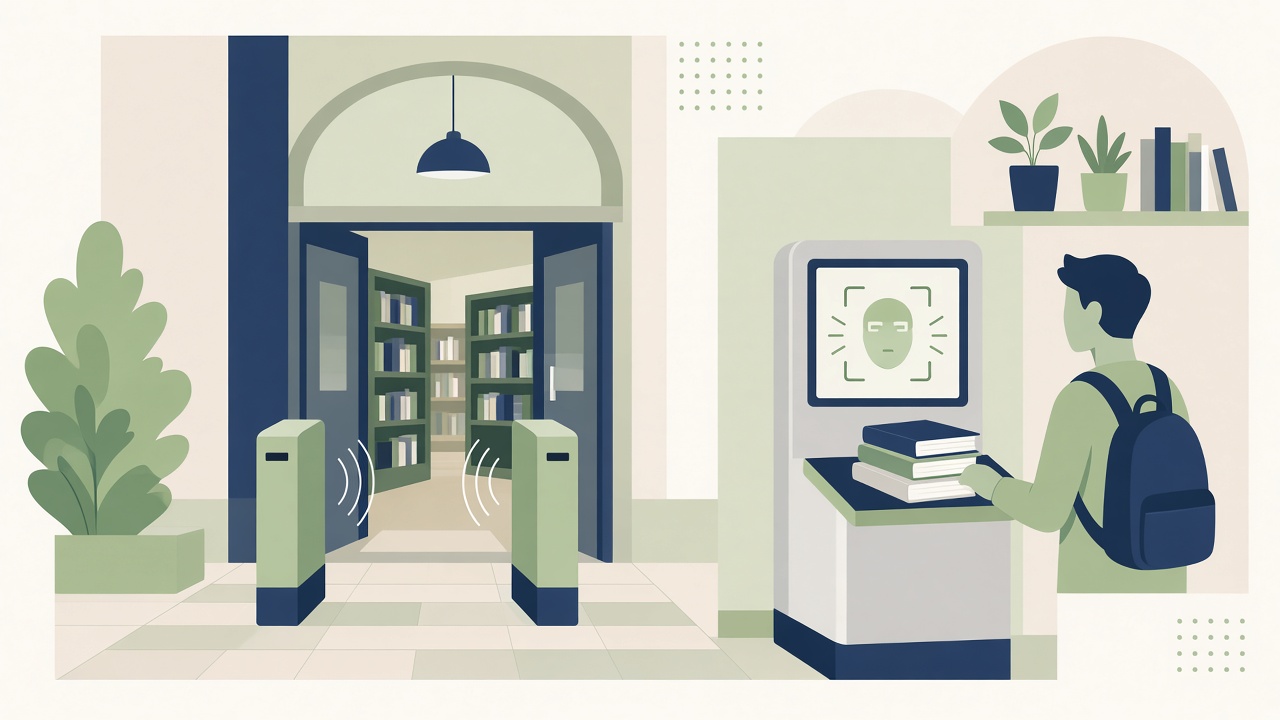
If the library also uses face checks, keep enrollment rules consistent. See Streamlining Library Access and Book Borrowing with Facial Recognition so students learn one habit, not five.
Run a trial during the busiest lunch block. Idle-hour demos hide real failure modes.
Set daily or meal-plan spend limits the same way you do with cards.
Decide how refunds work when a wrong account is charged. Speed matters here. Families notice slow fixes.
Reconcile face-pay totals against your POS reports each week during the pilot. Catch gaps early.
Face-based cafeteria pay is about shorter lines and clearer account links. It works when privacy is plain, backups are ready, and the meal system already runs well. Treat it as a better checkout key, not a full rebuild of dining operations.
Explore GR Tech facial recognition if you are connecting dining identity to the same campus stack used at doors and desks.
I'm a highly skilled project manager with extensive experience in the education technology industry. With a background in computer science and a passion for improving educational outcomes, I have dedicated my career to developing innovative software solutions that make learning more engaging, accessible, and effective.