Discover student orientation insights, tips, and strategies from experts
Guide to effective student orientations
Download the eBook
-cropped.svg)


.svg)
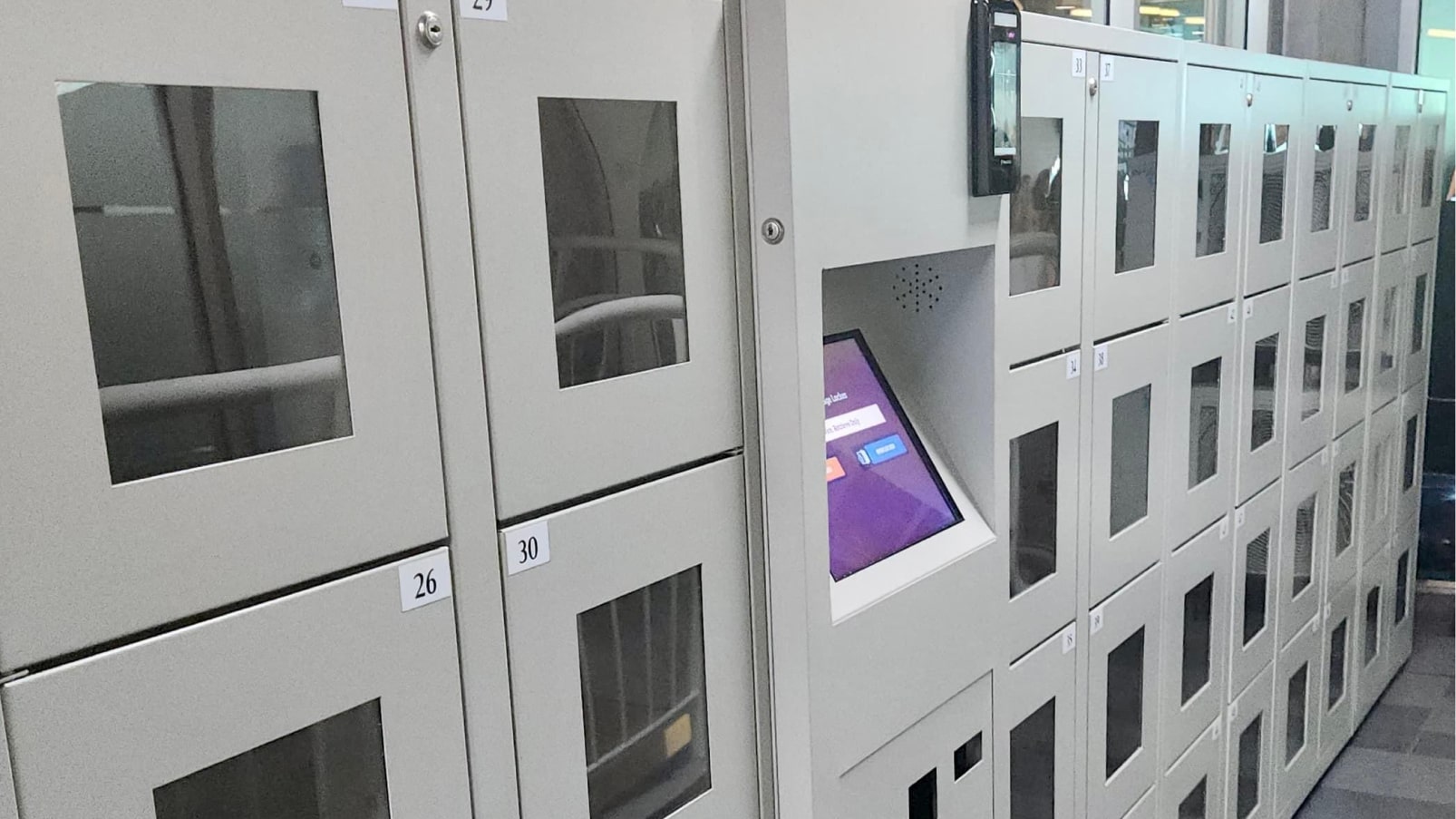
Student housing presents a security challenge that most other campus buildings don't face: it's simultaneously the most private space on campus and one of the highest-traffic, highest-turnover access points an institution manages. A dining hall or classroom sees people pass through; a dormitory is where students sleep, store their belongings, and reasonably expect a level of security that a lost or shared key card has never reliably delivered.
This article continues our Facial Recognition System pillar, under the Campus Security & Biometrics cluster, and it's written for campus security professionals and facility managers evaluating whether — and how — to deploy facial recognition specifically at residence hall and hostel entrances.
Residence hall access control differs from other campus buildings in a few important ways that shape how facility managers should think about the technology:
These factors make dormitory access one of the strongest practical use cases for facial recognition on campus — not because the technology is flashy, but because it directly addresses failure modes that card systems have never fully solved.
Because facial recognition verifies the specific individual rather than a credential, it removes the ambiguity that makes tailgating so common at residence halls. A system can be configured to require individual verification per entry — meaning even if a door is propped open briefly, only recognized and authorized individuals generate a valid access log, and unrecognized entries can trigger a real-time alert to security staff or the front desk.
Key cards and fobs get lost constantly in student housing — left in laundry rooms, borrowed by roommates, occasionally sold or lent to non-residents. Every lost credential creates a security gap until it's deactivated and a small administrative burden to reissue. Facial recognition removes the physical object from the equation entirely, closing that gap without adding staff workload.
Larger residence halls often need to restrict access not just to the building, but to specific floors or wings — particularly in mixed-use buildings or those with gender-specific or restricted-access floors. Facial recognition systems integrated with building access control panels can enforce this granularity automatically, without requiring students to carry multiple credentials for different zones.
Most residence halls allow guests, but managing that safely — verifying who's a resident versus a guest, and who a guest is with — is difficult with card systems alone. Facial recognition at the front desk or main entrance allows security staff to quickly verify residents while routing guests through a separate sign-in process, without slowing down the flow of returning students.
When an incident does occur in student housing — a theft, an altercation, an unauthorized entry — facility and security staff need a reliable access log to investigate. Facial recognition entry logs, especially when integrated with the building's video management system, give security teams a far more precise record than a card swipe log, which only confirms a credential was used, not who used it.
Most residence halls have one or two primary entrances designed for high-volume, low-friction access, plus secondary or emergency exits that need different access logic. Facial recognition hardware should be specified per entry point based on expected traffic volume — a main lobby entrance during move-in week has very different throughput needs than a side stairwell door.
Unlike interior access points, many dormitory entrances are exterior-facing and exposed to weather, lighting changes, and glare — all of which affect facial recognition accuracy. Facility managers should specify outdoor-rated hardware and plan camera placement and lighting specifically for consistent recognition performance across seasons and times of day.
Given the safety implications of a student being locked out of housing, facility managers must define a clear, fast failover process for when the facial recognition system is unreachable — typically defaulting to a backup credential method (card or PIN) rather than leaving students without any access option. RA and front-desk staff need clear, rehearsed protocols for handling failover situations, not just a technical fallback built into the hardware.
Facial recognition access should sync with the university's housing management software so that room assignments, move-in/move-out dates, and roommate changes automatically update building and floor-level access permissions — eliminating the lag between a housing change and an access control update, which is a common security gap in manually managed systems.
Because dormitories are private living spaces, facility managers and campus security should be especially deliberate about privacy communication when deploying facial recognition here. Students should receive clear notice of what data is collected, how long it's retained, and what alternative access methods exist for those who decline enrollment — and that communication should come before move-in, not after cameras are already installed. Institutions should also be explicit that facial recognition at entry points is for access control and security purposes, distinct from any interior monitoring, to avoid conflating the two in students' and parents' minds.
For campus security teams and facility managers considering this deployment, a phased approach tends to work best: start with the highest-traffic, highest-risk entrances — typically main building entrances and any floors with restricted access — before expanding to secondary doors. This allows security staff to validate accuracy, failover procedures, and student adoption in a contained environment before committing to a full-building or multi-building rollout.
Student housing is where campus security and daily student life intersect most directly, and it's a setting where the practical limitations of card-based access — tailgating, lost credentials, slow incident investigation — carry real safety consequences. Facial recognition addresses those specific failure points directly, which is why residence halls are consistently among the strongest use cases for the technology on campus. Done well, with careful attention to failover planning, weatherproofing, and transparent privacy communication, it gives facility managers a more reliable security layer without adding friction to the place students call home.
I'm a highly skilled project manager with extensive experience in the education technology industry. With a background in computer science and a passion for improving educational outcomes, I have dedicated my career to developing innovative software solutions that make learning more engaging, accessible, and effective.



-min%2520(1).png)