Discover student orientation insights, tips, and strategies from experts
Guide to effective student orientations
Download the eBook
-cropped.svg)


.svg)
-min.png)
Every school, college, and university campus faces the same daily challenge: knowing exactly who is on the premises at any given moment. Between students, staff, contractors, delivery personnel, and guests, campus security teams and facility managers are often stretched thin trying to manage foot traffic without slowing it down. Traditional visitor logs, ID badges, and manual sign-in sheets simply weren't built for the pace or complexity of modern campus life.
This is where smart AI facial recognition is changing the game. By automating identity verification at every entry point, facial recognition systems are helping campuses move from reactive, paperwork-heavy visitor management to proactive, real-time security. In this fourth installment of our Facial Recognition System series, we're diving into how this technology specifically transforms visitor management for campus security teams and facility managers.
Before exploring the solution, it's worth understanding why legacy visitor management falls short.
Manual sign-in is slow and unreliable. Paper logs or basic digital kiosks require visitors to type or write their information, which is time-consuming during peak hours like morning drop-off, event check-ins, or shift changes. Illegible handwriting, incomplete entries, and duplicate records make audits nearly impossible.
ID badges can be lost, shared, or faked. Physical badges and access cards are transferable. A lost badge in the wrong hands becomes a security vulnerability, and there's no reliable way to confirm the person holding the badge is who they claim to be.
Security staff can't be everywhere at once. Large campuses often have dozens of entry points. Relying solely on human guards to visually verify every visitor's identity is neither scalable nor consistent, especially during high-traffic periods or large campus events.
Data lives in silos. Visitor logs are often disconnected from broader security systems, meaning incident investigations require manually cross-referencing multiple records, which can take hours or days.
Smart facial recognition systems address these pain points by automating the identity verification process at the point of entry, with minimal friction for legitimate visitors and immediate flags for unauthorized individuals.
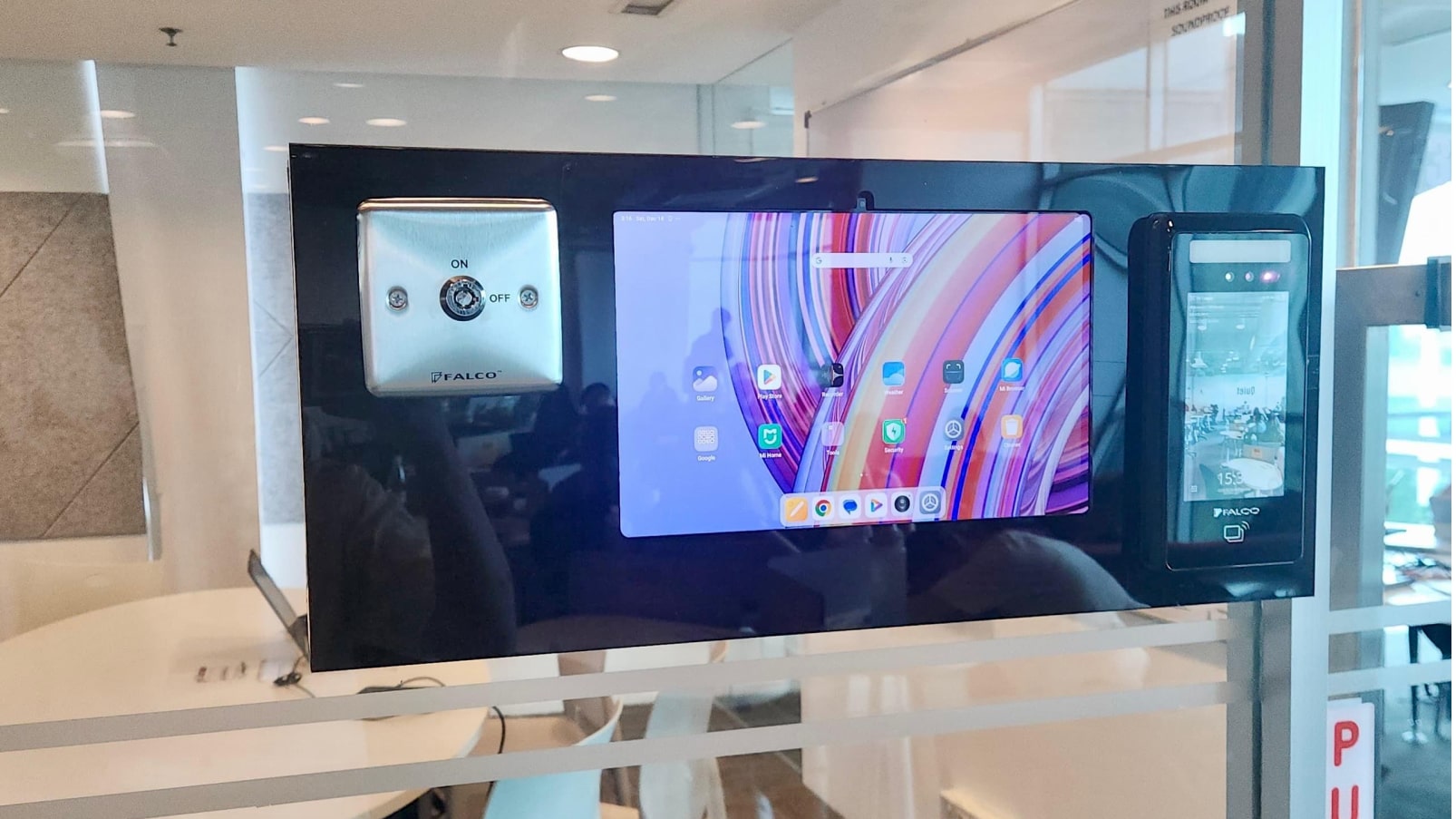
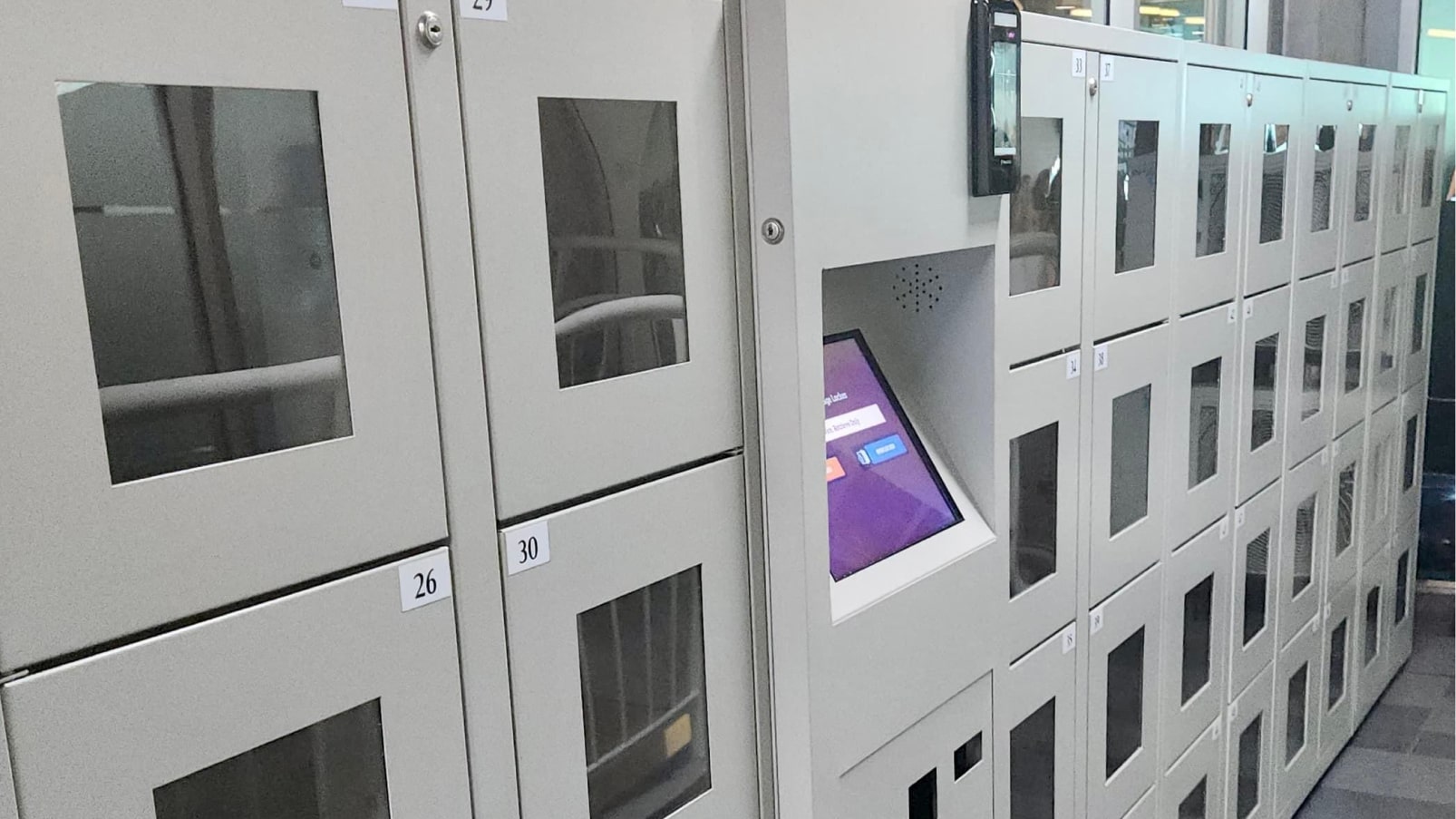
Instead of waiting in line to sign in or scan a badge, visitors simply walk up to a camera-equipped kiosk or entry point. The AI system captures a facial image, matches it against a pre-registered database in milliseconds, and grants or denies access accordingly. For pre-approved guests, such as parents attending a school event or vendors with scheduled appointments, this means near-instant entry without bottlenecks at the door.
Many campus facial recognition platforms integrate with online pre-registration portals. Visitors upload a photo and basic details ahead of their visit, whether it's a parent-teacher conference, a job interview, or a scheduled facilities inspection. When they arrive, the system recognizes their face instantly, eliminating redundant data entry and reducing wait times at reception desks.
One of the most valuable features for campus security teams is automatic screening against watchlists. If an individual with a restraining order, a banned visitor status, or a known safety concern attempts to enter, the system can immediately alert security personnel before that person even reaches a checkpoint. This kind of proactive detection isn't feasible with manual sign-in processes.
Modern facial recognition solutions don't operate in isolation. They integrate with existing access control infrastructure, door locks, turnstiles, and building management systems, so that verified individuals can move through authorized zones without needing separate credentials at every checkpoint. For facility managers, this means fewer hardware systems to maintain and a more unified security ecosystem.
Every entry and exit is logged automatically with a timestamp and matched identity, creating a reliable digital trail. If an incident occurs, security teams can quickly see who was on campus, where, and when, without digging through handwritten logs or fragmented spreadsheets. This dramatically speeds up investigations and improves accountability.
For security personnel, the shift to AI-powered visitor management translates into several tangible advantages:
Facility managers, who are often responsible for balancing security needs with a welcoming campus environment, also see significant operational gains:
Any conversation about facial recognition on campus must address privacy. Responsible deployments prioritize:
Campuses that communicate these safeguards transparently to students, staff, and visitors tend to see far higher adoption and trust in the system.
When evaluating a facial recognition system for visitor management, campus security teams and facility managers should look for:
Smart AI facial recognition is no longer a futuristic concept reserved for high-security government facilities; it's a practical, increasingly accessible tool for everyday campus operations. By automating visitor verification, screening for potential threats in real time, and creating auditable digital records, these systems free up security personnel to focus on what matters most: keeping the campus safe.
For facility managers, the operational efficiencies, reduced administrative burden, streamlined front-desk processes, and centralized management make a compelling case for adoption as well.
As campuses continue to balance safety, accessibility, and privacy, AI-driven visitor management offers a scalable path forward. In our next post in this series, we'll explore how facial recognition is being used to enhance dormitory and residential hall security specifically.
I'm a highly skilled project manager with extensive experience in the education technology industry. With a background in computer science and a passion for improving educational outcomes, I have dedicated my career to developing innovative software solutions that make learning more engaging, accessible, and effective.